
40.416691
-3.700345
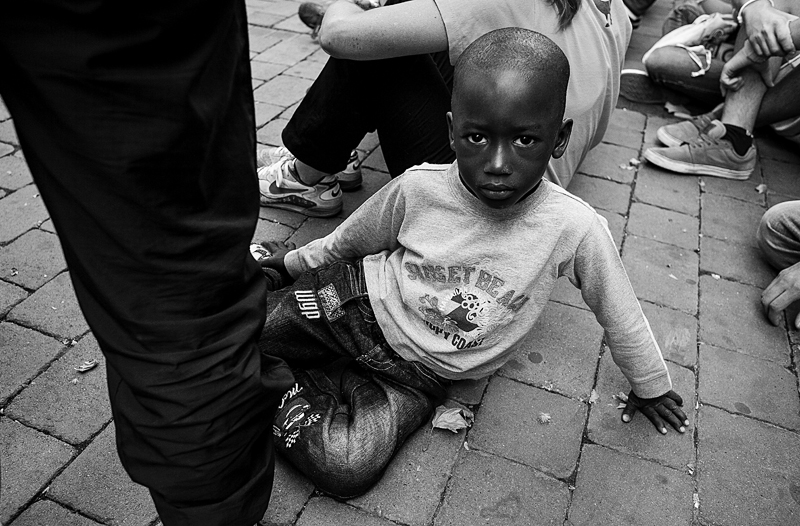
Las calles son para los niños. Deberían serlo, por lo menos. No los tristes parques encerrados en corralitos, sino la Calle, con mayúsculas. Estas fotos están tomadas en Madrid la semana pasada, en el barrio de Malasaña.
Streets are for children, they should be at least. Not the sad small playground, most of the times deteriorated, but the Street with capital letters. These pictures were taken last week in Madrid, in Malasaña neighborhood.


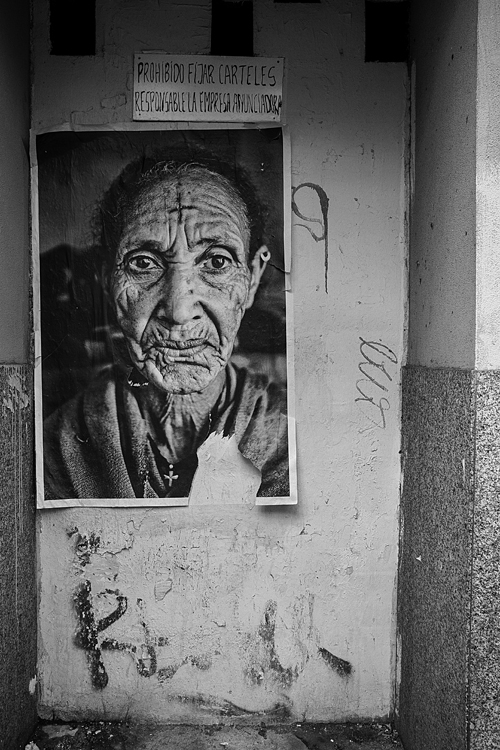
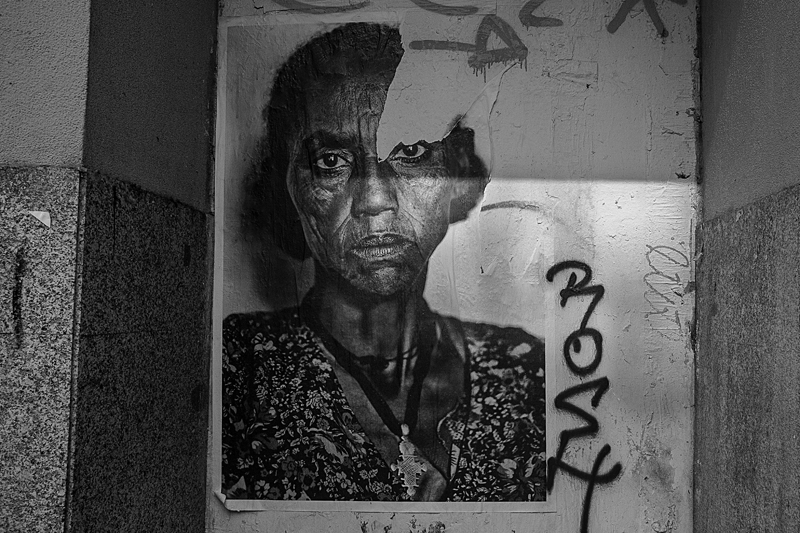
Hace pocos días Rafa Badía, en el estupendo blog http://www.calle35.com, hacía alguna reflexión en torno a los que él llama «bodegones encontrados» y que encuadra dentro de la categoría de fotografía callejera. Yo más bien lo llamaría bodegones urbanos, pero da igual, el caso es que a veces te encuentras con rincones que te llaman la atención. Estas fotografías están hechas en la calle Duque de Alba de Madrid, y son restos de una campaña vecinal que se hizo en el Rastro para promover la convivencia urbana con distintas etnias. Algo así como «eh! que aquí también vivo yo!»
Days ago the photographer Rafa Badía, from the great blog http://www.calle35.com, made a reflection around stills you find in the urban environment when you go out for a street photography hunt and they attract your attention. These photos where shot in Madrid, calle Duque de Alba, and they are the remains of a local campaign made in the Rastro neighbourhood in order to promote urban coexistence with different ethnic groups. Sort of a cry like «Hi, I also live here!»

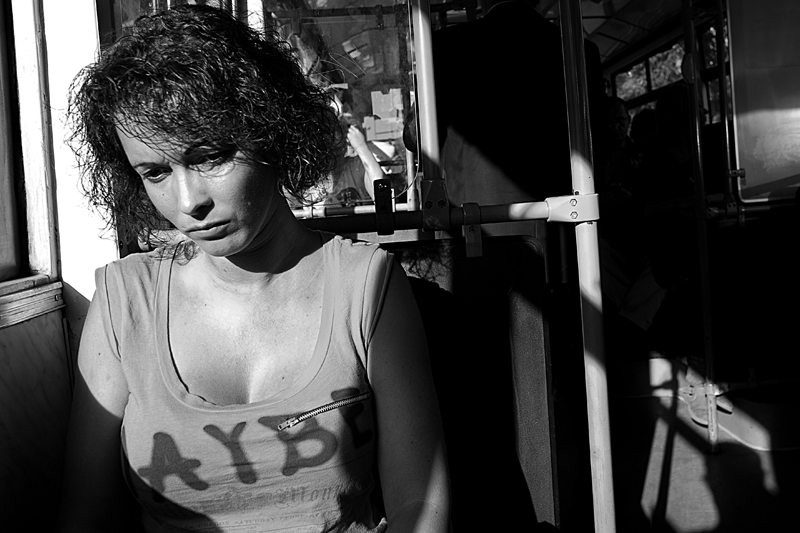
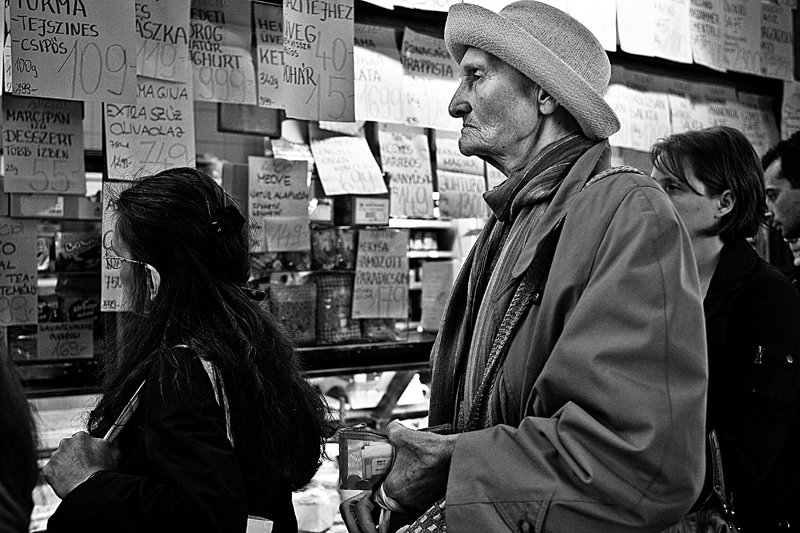
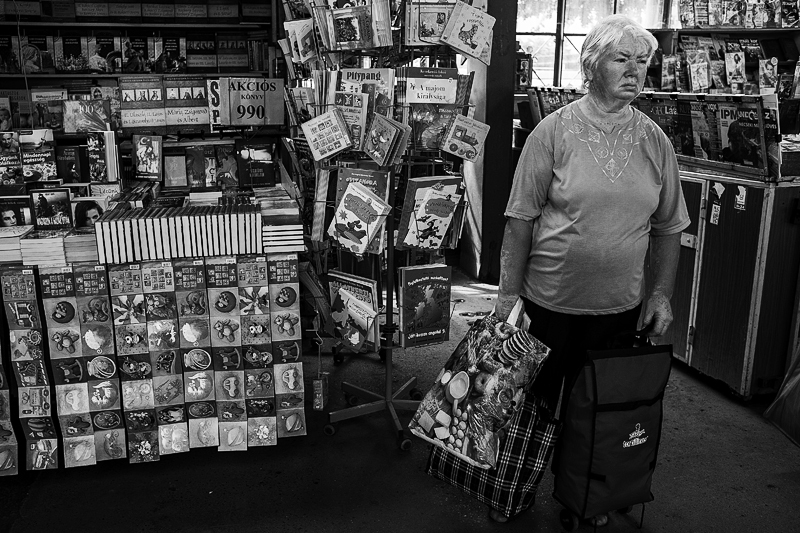
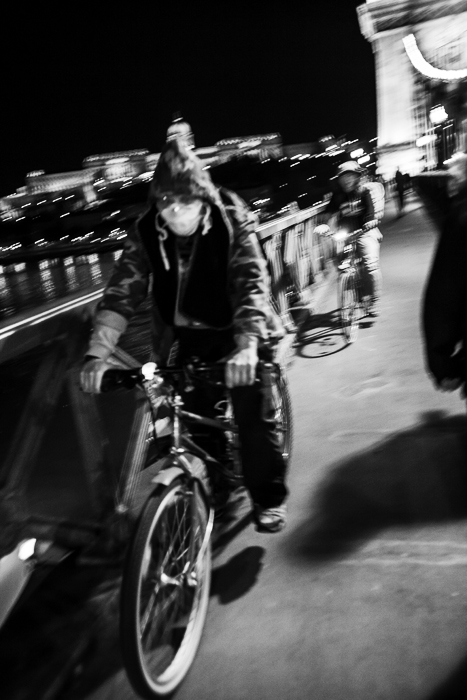
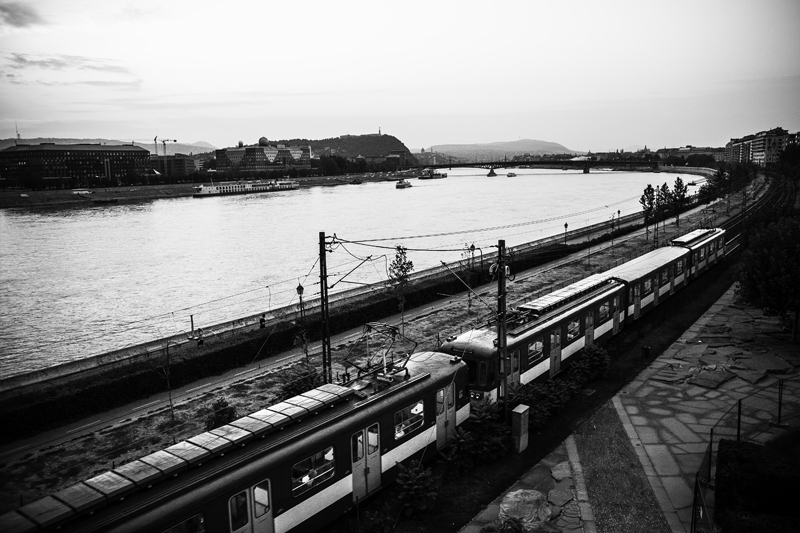
Budapest tiene dos atractivos sólidos e innegables. Uno es el «Bello Danubio azul», como le llamó Johann Strauss en ese vals inmortal. Hay un tranvía antiguo, el número 2, que transcurre paralelo al precioso río durante un buen tramo de la orilla de Pest. Y cruzar andando el puente Margarita de noche es una experiencia que pocos olvidarán.
Budapest has got two highlights. One is the Danube river, immortalized by Johann Strauss. There is an old tramway, number 2, which runs parallel to the beautiful river in a long stretch of Pest. And crossing by walking in the night Marguerite bridge is an unforgetable experience.
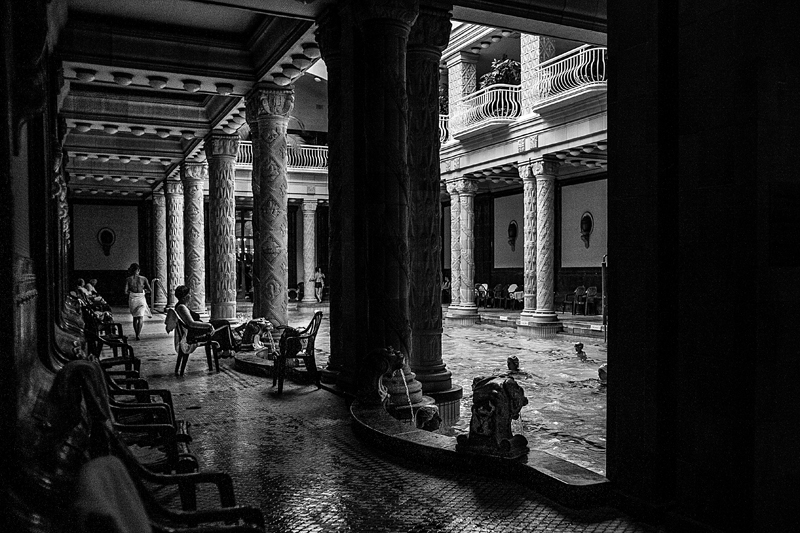
 El otro atractivo son sus cerca de 50 balnearios. La ciudad fue construida por los romanos aprovechando la abundancia de fuentes termales en su subsuelo, los turcos construyeron sus baños en el siglo XVII, y a principios del siglo XX se construyeron los principales balnearios para aprovechar el tirón turístico. Esta foto es la piscina principal del balneario Gellert, una belleza modernista construida en 1918.
The other highlight are its around 50 spas. The town was built by the Romans to exploit the plentiful thermal resources, Turcs built its baths in XVII century, and in the first years of XX century were built the modern spas to attract tourists. This picture was shot in the main pool of Gellert spa, a new style beauty built dated 1918.
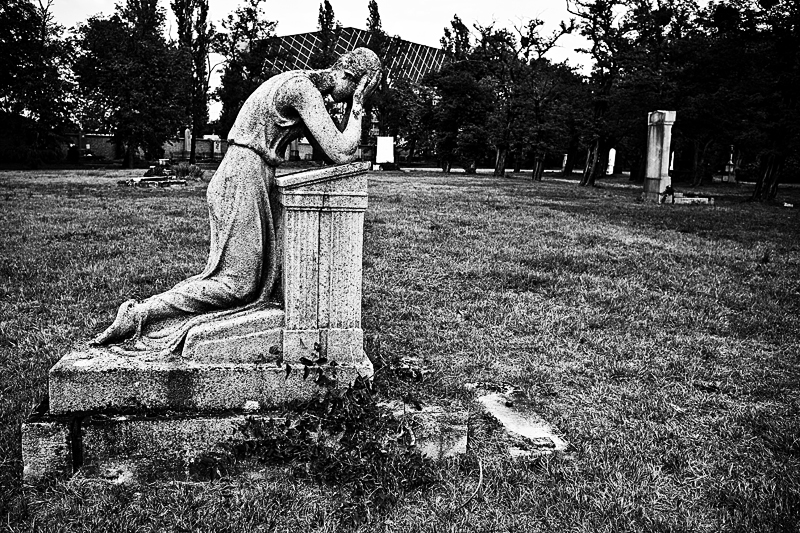
 Una cosa interesante de visitar en las ciudades son sus cementerios, pues hablan mucho de la ciudad y sus habitantes. Esta foto es del cementerio Kerepesi, el más antiguo y famoso. Lo que resulta curioso del lugar es que está casi vacío de tumbas, con amplísimas praderas de hierba y preciosos árboles centenarios, debido en parte a que se dejó de hacer enterramientos en 1952. Por supuesto carece de esos horribles muros con nichos que tanto abundan por España.
Cemeteries are a most interesting thing to visit when travelling, as they talk a lot about a town and its inhabitants. This picture was shot in Kerepesi Cemetery, the oldest and most famous in Budapest. What attracted my attention in the cemetery was its emptiness, due in part to the fact that it was close to new tombs in 1952, it has large meadows and centennial trees. Of course you don’t see those horrible walls of niches so abundant in Spanish cemeteries.
 Luisa's Photos