Giovanni Falcone, juez nacido en Palermo, fue asesinado por la Mafia corleonesa, bajo órdenes directas de Totò Riina, el 23 de mayo de 1992 con una bomba de media tonelada detonada al paso de su coche. Falcone, su mujer y tres guardaespaldas murieron. Cincuenta y siete días después, Paolo Borsellino, juez también nacido en Palermo, fue asesinado por la misma Mafia con otra bomba que también mató a cinco policías. Los dos magistrados formaban parte del grupo anti-mafia de jueces de Palermo que consiguió llevar a juicio a 474 mafiosos en un maxi juicio celebrado en un bunker construido a propósito dentro de la prisión de Ucciardone. Era la primera vez que se llevaba a juicio a la Mafia en bloque, un hito histórico.
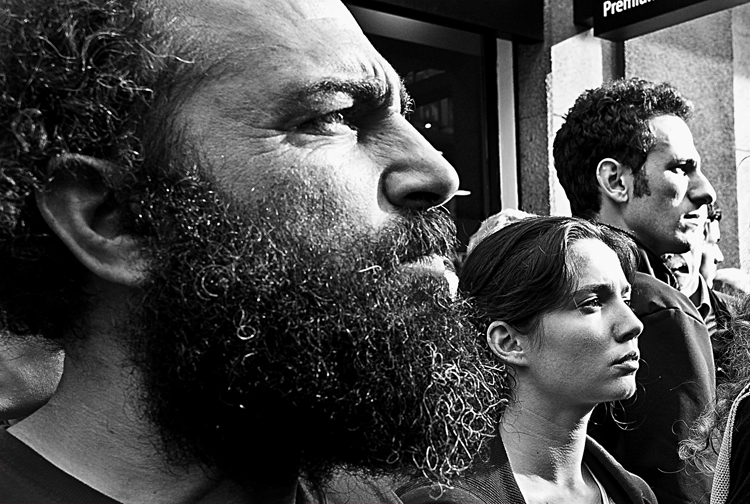
Ayer Palermo conmemoró el vigésimo aniversario de la muerte de Falcone con una gran manifestación que llegó hasta el antiguo domicilio de Falcone, donde un enorme árbol recoge mensajes, regalos y flores. Se conoce como «el árbol de Falcone». El lema en la camiseta de la joven dice: «Los hombres pasan, las ideas permanecen. Permanecen sus tensiones morales, y seguirán caminando a pies de otros hombres. Giovanni Falcone»
Giovanni Falcone, magistrate born in Palermo, Italy, was killed by the corleonesi Mafia the 23rd of May 1992 with a half-ton bomb exploding under his car. Fifty seven days after, Paolo Borsellino, also a magistrate born in Palermo, was killed by the same Mafia with another bomb. Both magistrates had became part of Palermo’s Antimafia Pool conducting several investigations into the Mafia, which would result in the Maxi Trial against the Mafia starting in February 1986 and which lasted until December 1987. The trial was held in a bunker-courthouse specially constructed for this purpose inside the walls of the Ucciardone prison in Palermo. A total of 474 mafiosi were indicted for a multitude of crimes relating to Mafia activities.
Yesterday, Palermo commemorated the 20th anniversary of Falcone’s death with a big demonstration which arrived to «Falcone’s Tree», under his former address. The motto on the t-shirt says «Men go away, ideas remain. Their moral tensions stay and will keep going on the legs of another men. Giovanni Falcone»





 Luisa's Photos