Wake up in Monday

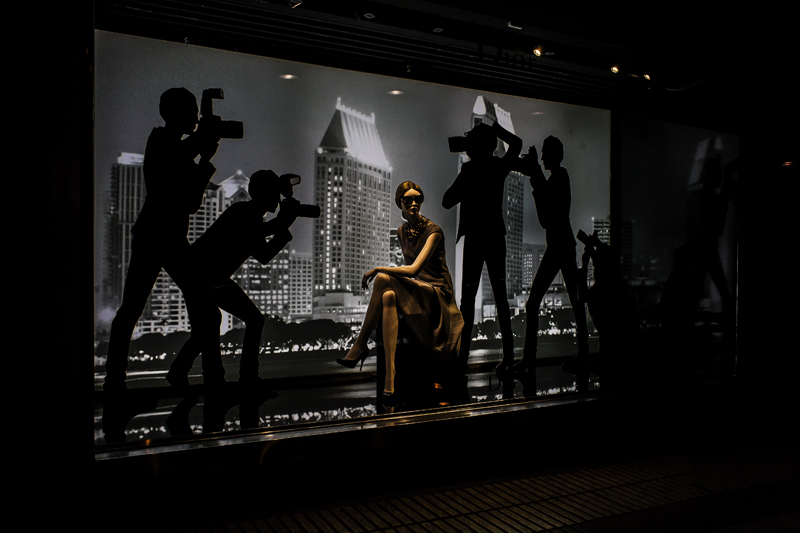
Fotografiar escaparates es decepcionante. Aunque algunos son espectaculares, siempre quedan desangelados en fotografía si no tienen un plus añadido. En esta ocasión no pude resistir la tentación de disparar y captar «la foto dentro de la foto», aunque ésta fuera en falso. Nota: aunque pueda parecerlo, no se ha convertido a blanco y negro salvando los tonos naranja, simplemente era así.

Shooting shop windows is dissapointing. Although a few of them are spectacular, they always look soulless if they don’t have an added bonus. In this occasion I couldn’t resist the temptation of shooting and capture «the photo inside the photo», even if it was fake. Note: the photo hasn’t been converted to black and white keeping the orange tones, simply it was like that.

The Blue Danube

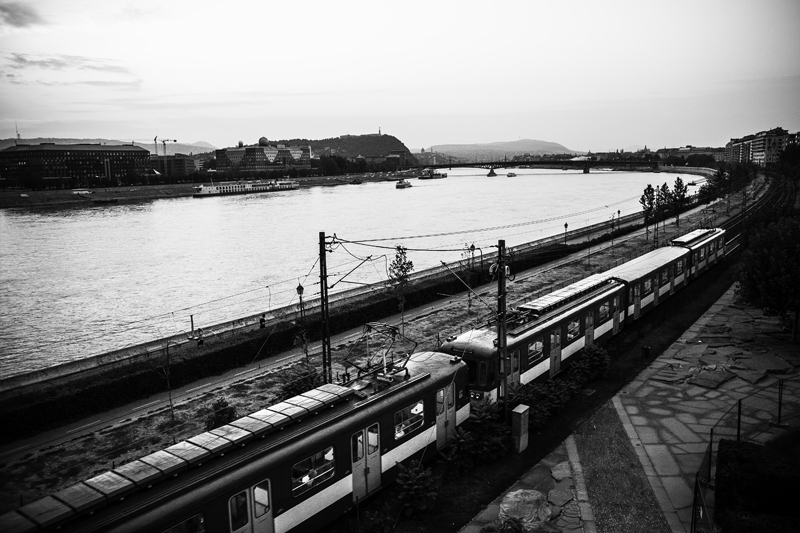
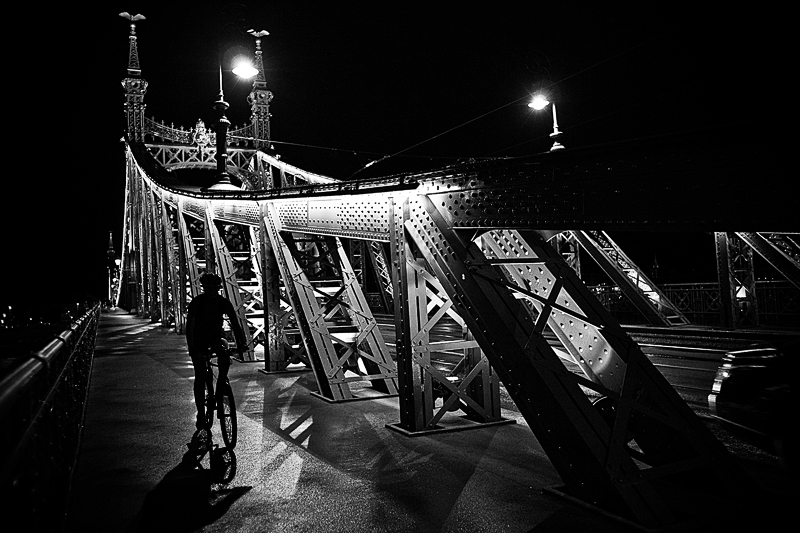
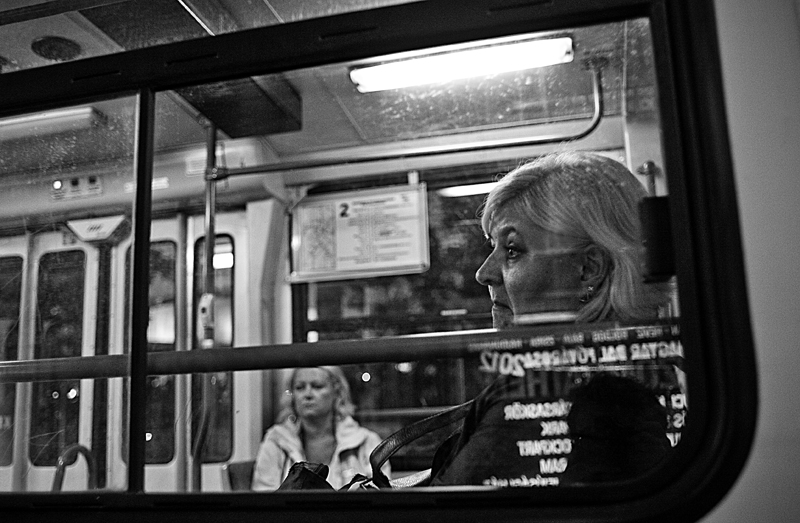
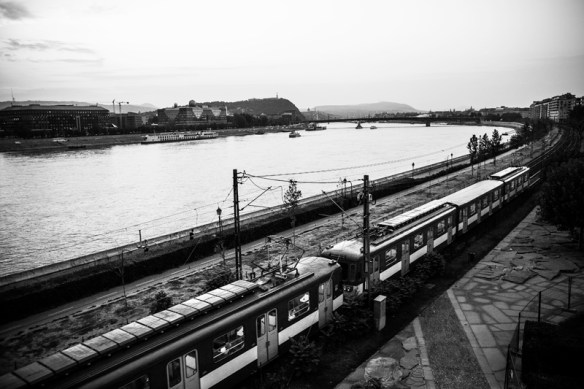
Budapest tiene dos atractivos sólidos e innegables. Uno es el «Bello Danubio azul», como le llamó Johann Strauss en ese vals inmortal. Hay un tranvía antiguo, el número 2, que transcurre paralelo al precioso río durante un buen tramo de la orilla de Pest. Y cruzar andando el puente Margarita de noche es una experiencia que pocos olvidarán.

Budapest has got two highlights. One is the Danube river, immortalized by Johann Strauss. There is an old tramway, number 2, which runs parallel to the beautiful river in a long stretch of Pest. And crossing by walking in the night Marguerite bridge is an unforgetable experience.
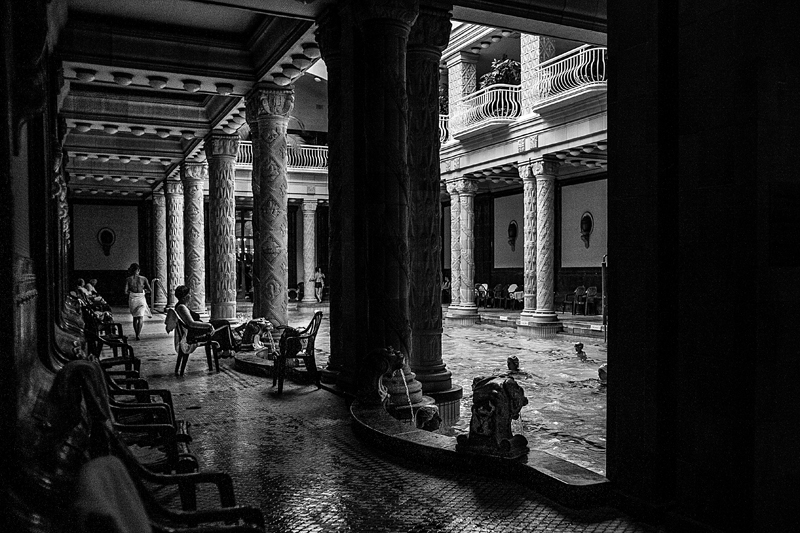
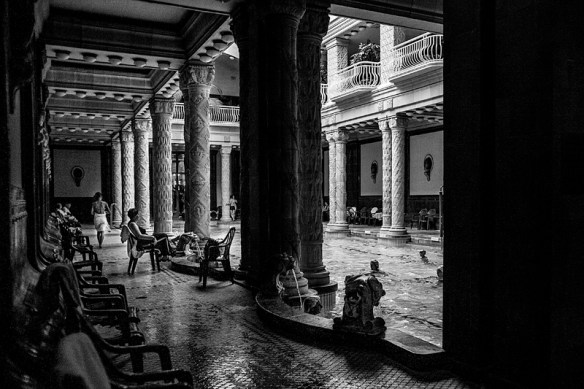
El otro atractivo son sus cerca de 50 balnearios. La ciudad fue construida por los romanos aprovechando la abundancia de fuentes termales en su subsuelo, los turcos construyeron sus baños en el siglo XVII, y a principios del siglo XX se construyeron los principales balnearios para aprovechar el tirón turístico. Esta foto es la piscina principal del balneario Gellert, una belleza modernista construida en 1918.

The other highlight are its around 50 spas. The town was built by the Romans to exploit the plentiful thermal resources, Turcs built its baths in XVII century, and in the first years of XX century were built the modern spas to attract tourists. This picture was shot in the main pool of Gellert spa, a new style beauty built dated 1918.
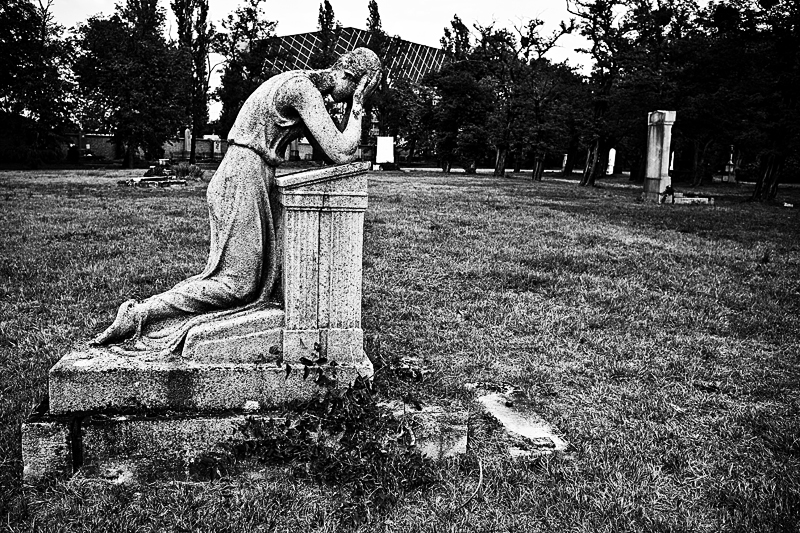
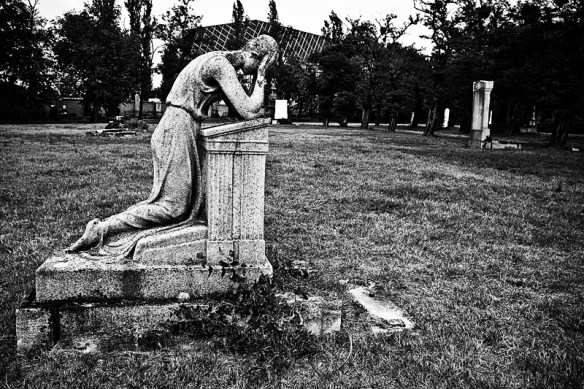
Una cosa interesante de visitar en las ciudades son sus cementerios, pues hablan mucho de la ciudad y sus habitantes. Esta foto es del cementerio Kerepesi, el más antiguo y famoso. Lo que resulta curioso del lugar es que está casi vacío de tumbas, con amplísimas praderas de hierba y preciosos árboles centenarios, debido en parte a que se dejó de hacer enterramientos en 1952. Por supuesto carece de esos horribles muros con nichos que tanto abundan por España.

Cemeteries are a most interesting thing to visit when travelling, as they talk a lot about a town and its inhabitants. This picture was shot in Kerepesi Cemetery, the oldest and most famous in Budapest. What attracted my attention in the cemetery was its emptiness, due in part to the fact that it was close to new tombs in 1952, it has large meadows and centennial trees. Of course you don’t see those horrible walls of niches so abundant in Spanish cemeteries.
Europe Photobloggers Meetup

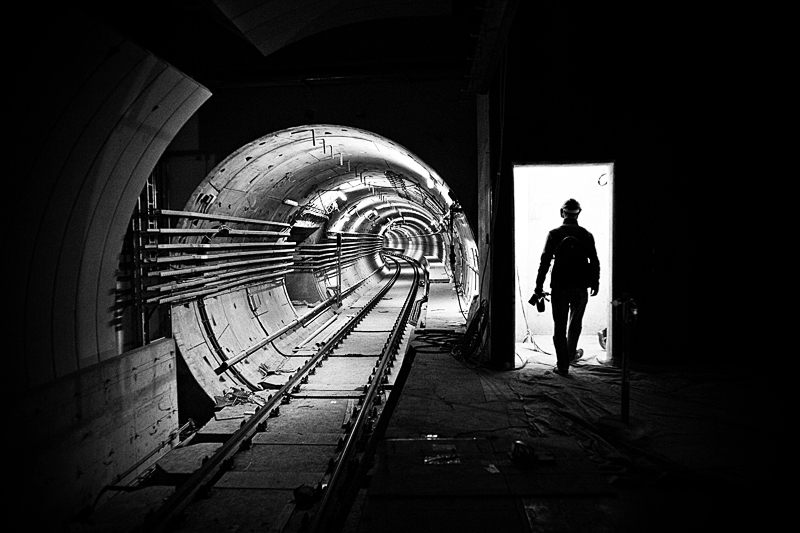
Viajé la semana pasada a Budapest, a la reunión de fotoblogueros europeos. La quedada fue un éxito gracias a la organización de Alfonso Paras y a los buenos oficios del amigo Balázs, que nos procuró una visita especial a la construcción de la línea de metro por debajo del Danubio. Pese a la crisis económica acudió gente de Rumanía, Suecia, Alemania y, cómo no, España, que fue la representación más nutrida con cinco participantes!

La ocasión fue perfecta para estrenar una nueva lente, la Canon EF 28mm f/1.8 USM. No suelo comentar cosas de equipos fotográficos, sobre todo porque no entiendo casi nada de tecnicismos, pero cuando tienes algo especial entre manos lo notas. Para fotografía de calle tiene una distancia focal perfecta sobre una cámara full frame, y la luminosidad del diafragma te permite salir tranquilamente a fotografiar de noche.

Past week in Budapest to the Europe Photobloggers Meeting. The gathering was a success thanks to the organizational capabilities of Alfonso Paras and thanks also to the excelent services of the friend Balázs, the Hungarian hostess. He organized an special visit to the new subway line under construction which crosses the Danube river. In spite of the economic crisis, there were photographers from Rumania, Sweden, Germany, Hungary and, of course, Spain, which was the largest delegation with five members!

I have to add that this was the perfect occasion to make the debut of a brand new Canon EF 28mm f/1.8 USM lens. I don’t use to comment gear because this photoblog intends to be that, a site dedicated to photographs. But this lens is something special, believe me, for street photo. Focal distance is perfect to catch everything on a full frame camera, and diaphragm aperture makes it special for night shooting.

Speedy!

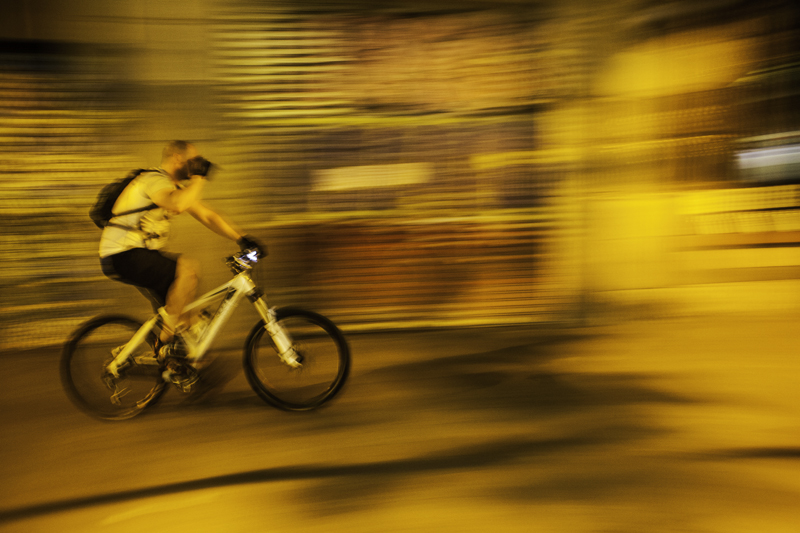
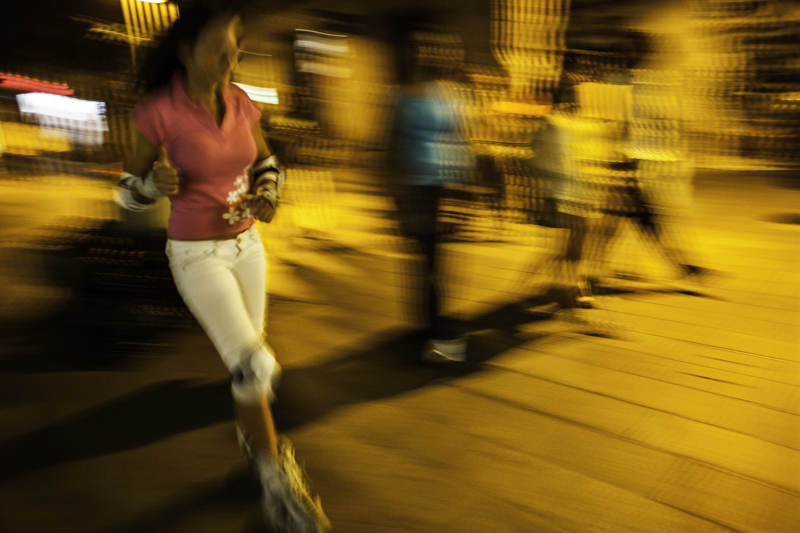
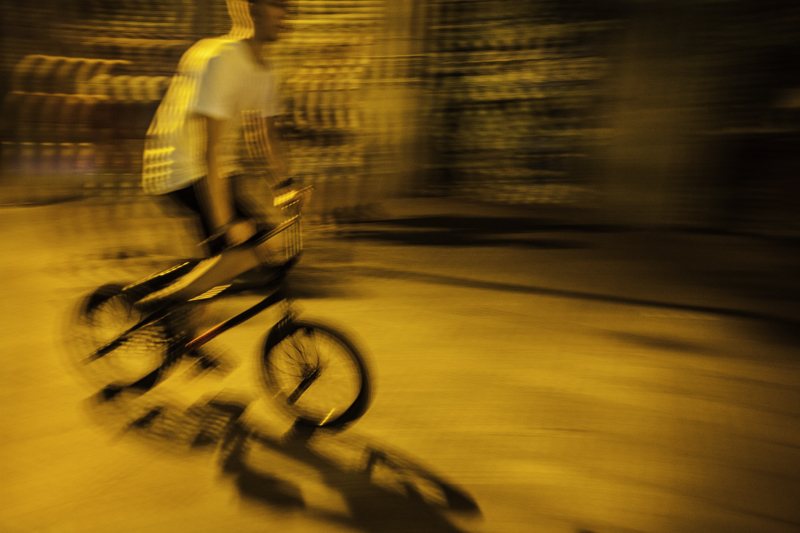
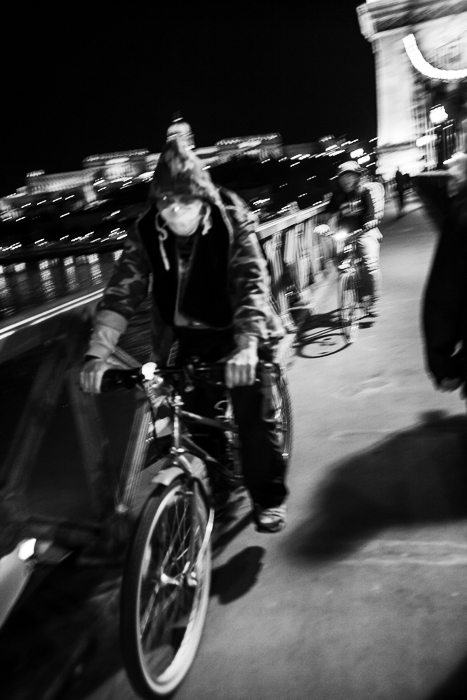
Desde que hicieron peatonal el primer tramo de la calle Fuencarral de Madrid la diversión fotográfica ha aumentado. Estas fotos fueron hechas hace unos días con una diferencia de siete minutos entre la primera y la última. Y cuando salgo de noche siempre cojo la 5D. Decididamente, Canon le gana la mano a Leica en cuestión de ruido digital.

Esa noche también fue el estreno de un objetivo, un Canon EF 28mm f/1.8 USM con el que estoy encantada. Me he acostumbrado a los objetivos fijos desde que tengo la Leica y ya me incomoda usar zooms.

Since the first stretch of calle Fuencarral in Madrid  became pedestrian, photographic fun has increased. These pics were shot some days ago with a difference of seven minutes between the first and the last one. And when I go out for night photography I always take the 5D with me. Unfortunately Leica looses the hand when it comes to digital noise.

That night it was also the premiere of a lens, a Canon EF 28mm f/1.8 USM, I am more than happy with it. Since I got the Leica I am used to prime lenses and cannot use a zoom anymore.

Back to glorious Tri-X

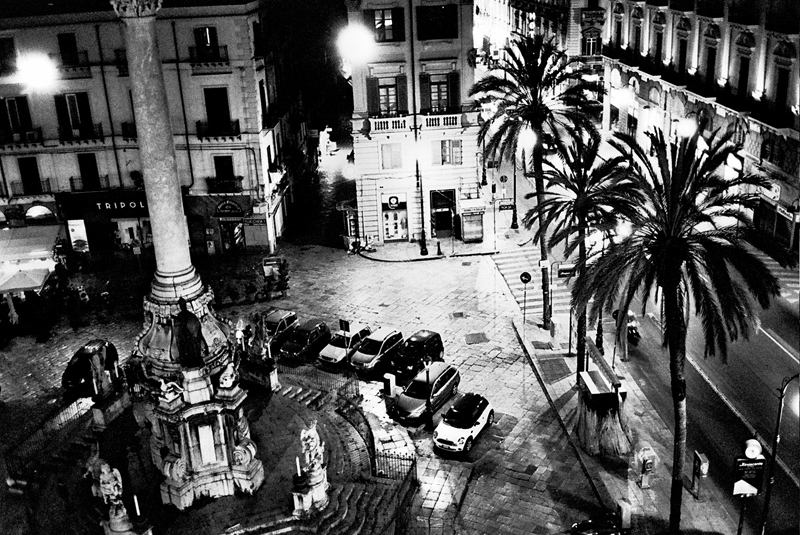
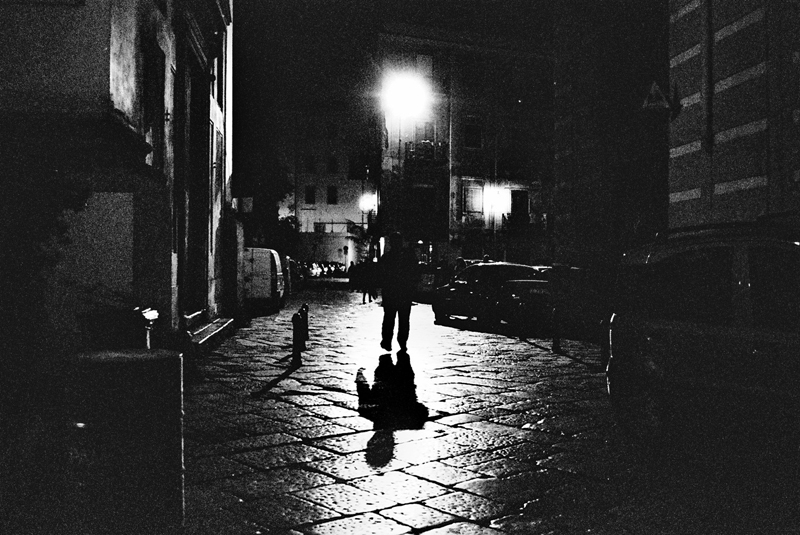
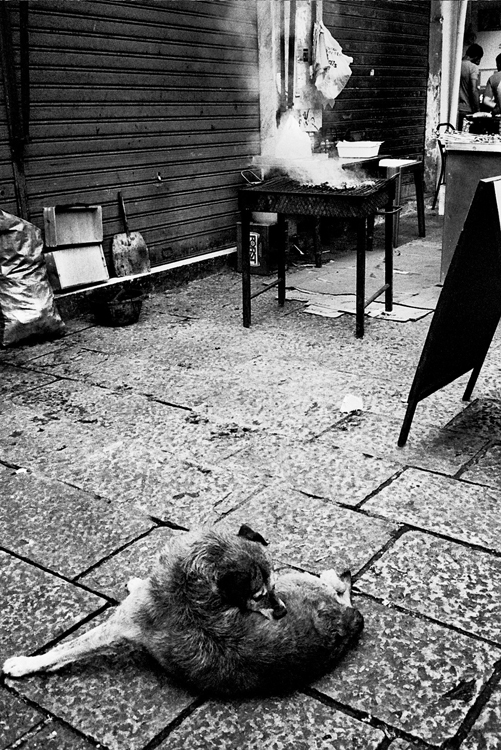
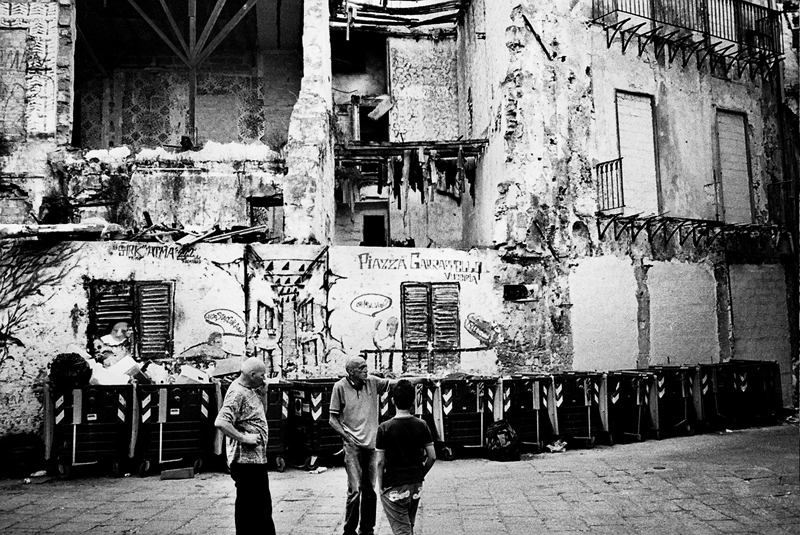
Cuando estuve en Palermo tuve que comprar una cámara analógica barata, por miedo a que me robaran el equipo Leica. El caso es que tardó un mes en llegar desde Hong Kong, así que sólo me dio tiempo a tirar un carrete Tri-X. Una vez de vuelta en Madrid comprobé lo carísimo que resulta el procesado en blanco y negro, sobre todo si se fuerzan los ISOs, lo que me obligó a hacer el revelado en casa y luego digitalizar en baja resolución para poder visualizar las fotos. Hacía tantísimos años que no revelaba que, claro, me lié con los tiempos y el carrete quedó muy sobrexpuesto, prácticamente inservible. Pero lo que sí pude constatar fue la fascinación por esa película tan estupenda, ese grano, la poca nitidez, el alto contraste, cosas que no se pueden imitar con programas digitales por muy buenos que sean. Esto es lo que pude salvar de los restos del naufragio:

When in Palermo I had to buy a cheap film camera by fear of the Leica gear being robbed. It took a month to arrive from Hong Kong, so I could shoot only one Tri-X film. Once back in Madrid I learned how terribly expensive is to process black and white nowadays, specially if you have pushed the ISOs, so I decided to develop the film at home and digitize after in low-res to visualize the photos. I hadn’t process a film in ages, I got wrong with D-76 times and dilution, and the film went overexposed. But what I could realize was the extraordinary fascination for the Tri-X, the real grain -not the noise- the scarce sharpness, the high contrast, all things you cannot fake with digital applications. The photos below are the few I could save from the wreck.