
40.416691
-3.700345
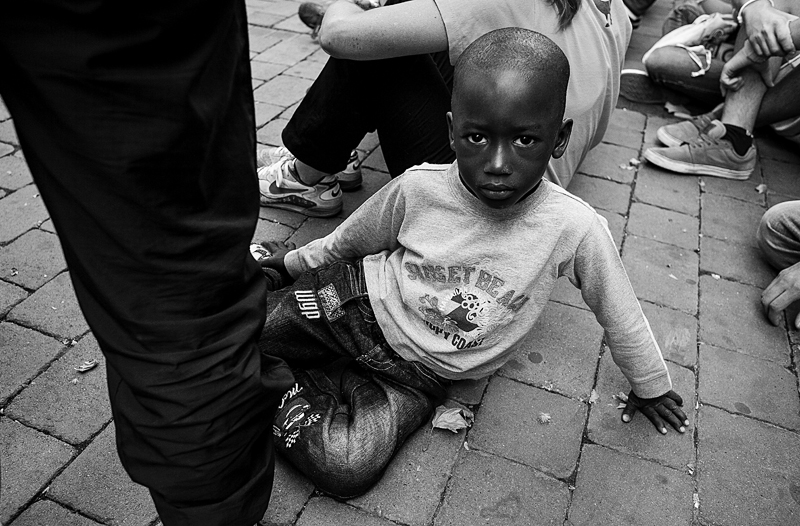
Las calles son para los niños. Deberían serlo, por lo menos. No los tristes parques encerrados en corralitos, sino la Calle, con mayúsculas. Estas fotos están tomadas en Madrid la semana pasada, en el barrio de Malasaña.
Streets are for children, they should be at least. Not the sad small playground, most of the times deteriorated, but the Street with capital letters. These pictures were taken last week in Madrid, in Malasaña neighborhood.


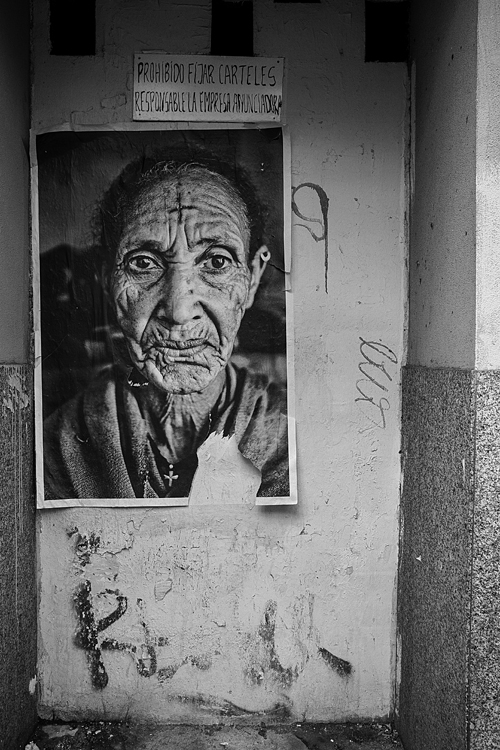
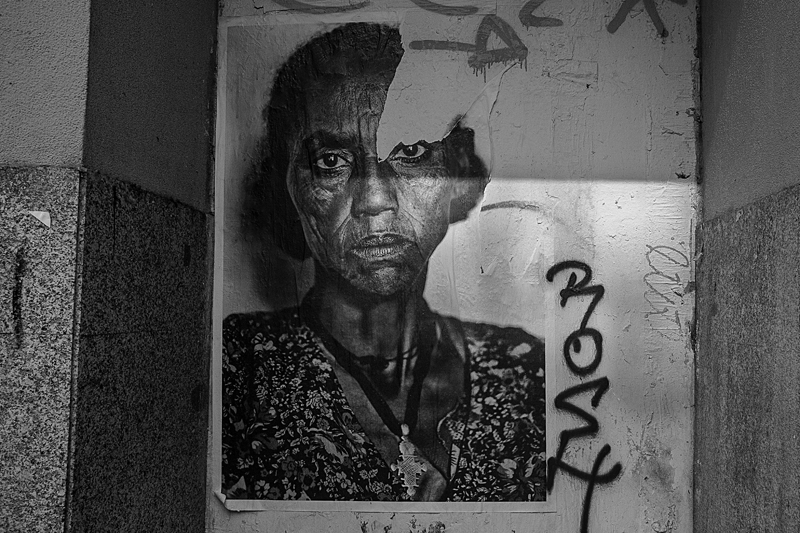
Hace pocos días Rafa Badía, en el estupendo blog http://www.calle35.com, hacía alguna reflexión en torno a los que él llama «bodegones encontrados» y que encuadra dentro de la categoría de fotografía callejera. Yo más bien lo llamaría bodegones urbanos, pero da igual, el caso es que a veces te encuentras con rincones que te llaman la atención. Estas fotografías están hechas en la calle Duque de Alba de Madrid, y son restos de una campaña vecinal que se hizo en el Rastro para promover la convivencia urbana con distintas etnias. Algo así como «eh! que aquí también vivo yo!»
Days ago the photographer Rafa Badía, from the great blog http://www.calle35.com, made a reflection around stills you find in the urban environment when you go out for a street photography hunt and they attract your attention. These photos where shot in Madrid, calle Duque de Alba, and they are the remains of a local campaign made in the Rastro neighbourhood in order to promote urban coexistence with different ethnic groups. Sort of a cry like «Hi, I also live here!»

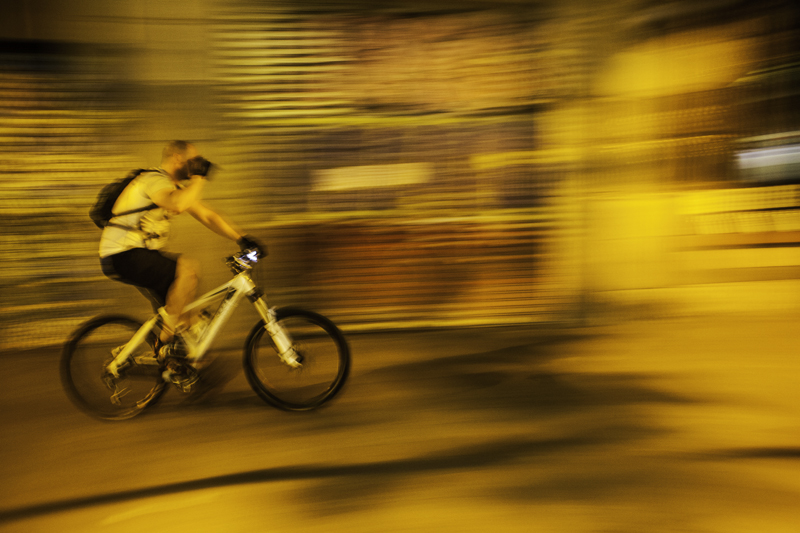
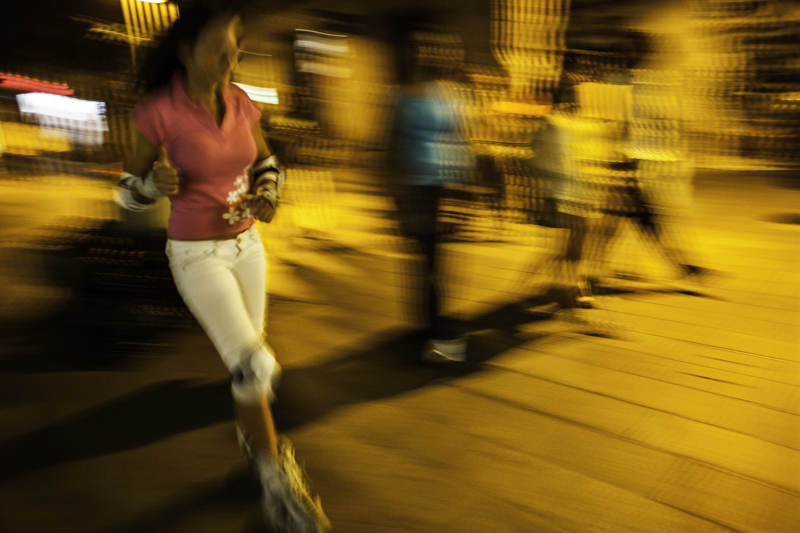
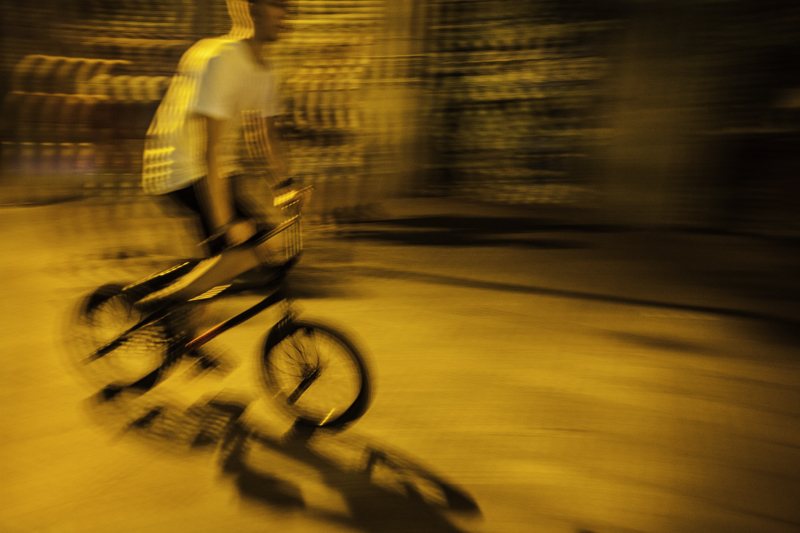
Desde que hicieron peatonal el primer tramo de la calle Fuencarral de Madrid la diversión fotográfica ha aumentado. Estas fotos fueron hechas hace unos días con una diferencia de siete minutos entre la primera y la última. Y cuando salgo de noche siempre cojo la 5D. Decididamente, Canon le gana la mano a Leica en cuestión de ruido digital.
Esa noche también fue el estreno de un objetivo, un Canon EF 28mm f/1.8 USM con el que estoy encantada. Me he acostumbrado a los objetivos fijos desde que tengo la Leica y ya me incomoda usar zooms.
Since the first stretch of calle Fuencarral in Madrid became pedestrian, photographic fun has increased. These pics were shot some days ago with a difference of seven minutes between the first and the last one. And when I go out for night photography I always take the 5D with me. Unfortunately Leica looses the hand when it comes to digital noise.
That night it was also the premiere of a lens, a Canon EF 28mm f/1.8 USM, I am more than happy with it. Since I got the Leica I am used to prime lenses and cannot use a zoom anymore.
Que a estas alturas la utilización de la vieja película Tri-X constituya una novedad no deja de ser un absurdo. Y sin embargo así es. Nos sentimos deslumbrados por esa rara calidad de unas fotografías intensas, llenas de textura y contraste, un blanco y negro que aumenta la capacidad de concentración del ojo, con un grano que no tiene nada que ver con el molesto ruido de las cámaras digitales. Yo he probado algunos filtros Nik y otros ajustes preestablecidos para Lightroom que tratan de imitar esa rara calidad, pero nada, no tienen nada que ver con el auténtico Tri-X.
Algunos fotógrafos no han abandonado nunca el Tri-X, véanse Ernesto Bazán y Daido Moriyama, por ejemplo, y sus fotografías destacan. ¿Destacan por el uso de esa película, o destacan porque son muy buenas fotografías? Es una buena cuestión que es oportuno plantearse, y cada uno tendrá su respuesta.
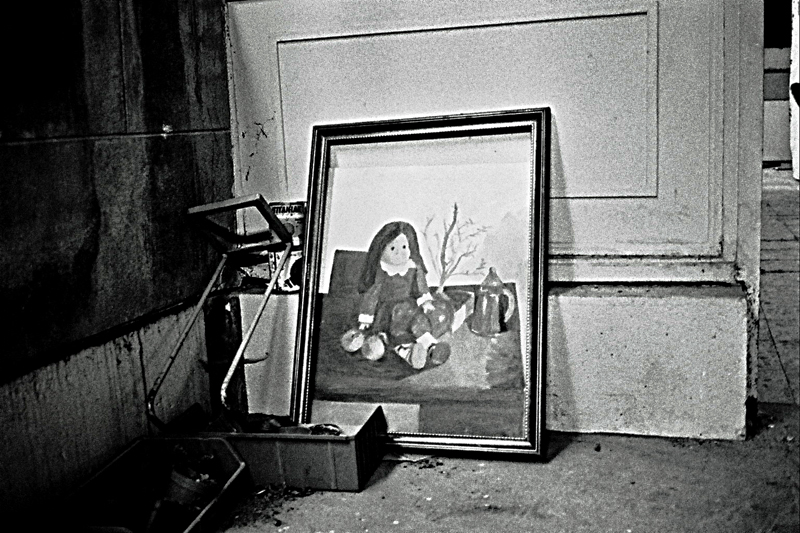
Estas dos fotos han sido recientemente sacadas con una cámara compacta Contax T2 que cargué con un Tri-X Kodak. El lugar es la antigua fábrica de Tabacalera en Lavapiés, Madrid.
Using the old Tri-X film as a newness it’s an absurd at this time of the game. However, it is so. We feel dazzled by that rare quality of intense photographies, full of textures and contrast, a black and white that increases the capacity of concentration, with a grain that has nothing to do with the annoying noise of digital cameras. I’ve experienced some Nik filters and other Lightroom presets which try to copy that rare quality but they can’t compete with the real Tri-X.
Some photographers have never abandoned the Tri-X, see Ernesto Bazán and Daido Moriyama for instance, and their photos stand out. Do the photos stand out because of the film, or because they are excelent pictures? This is a good and wise question, everyone will have to answer.
These two pictures have been shot with a Contax T2 compact camera loaded with a Kodak Tri-X. Place is the old tobacco factory in Lavapiés, Madrid.

 Luisa's Photos