Siracusa

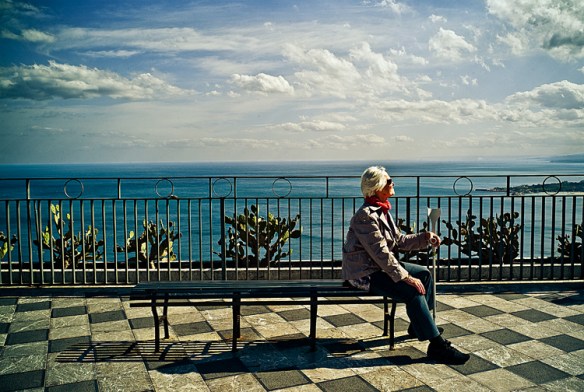
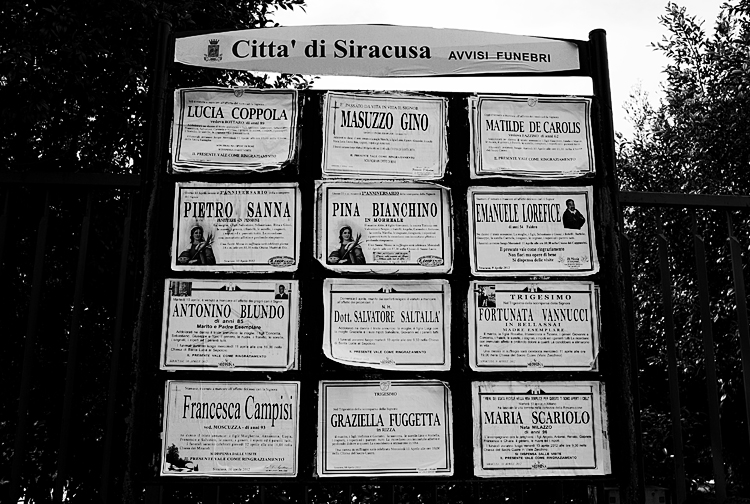
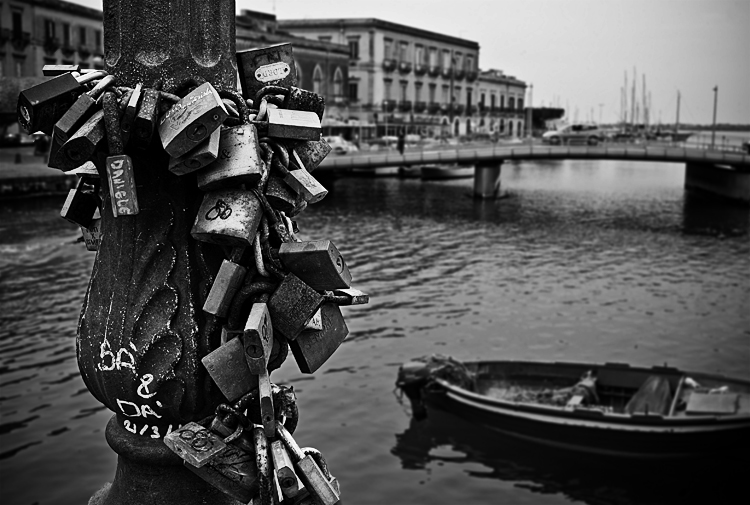
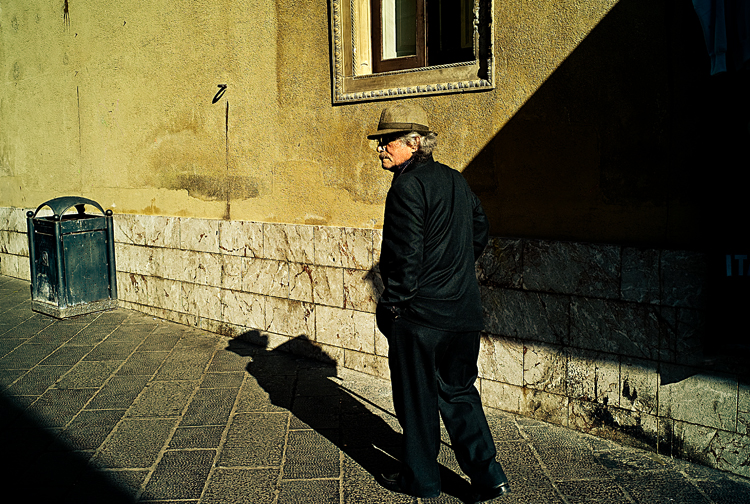
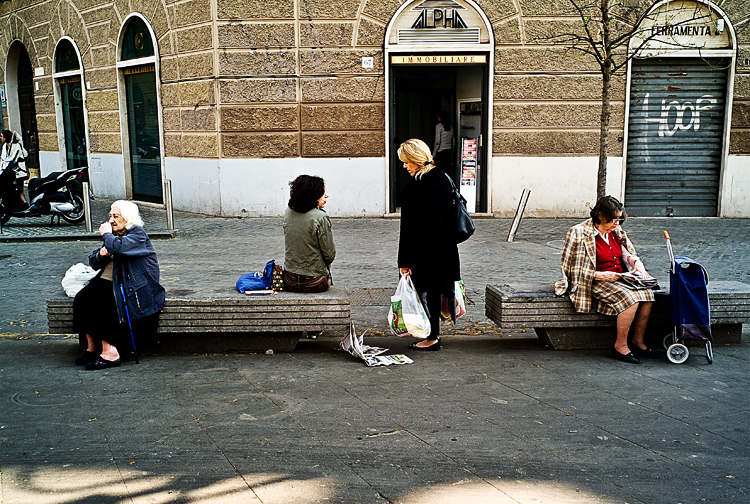
La parte vieja de Siracusa es una pequeña península llamada Ortigia, con mucho encanto, sobre todo por la noche cuando los turistas se han ido y por las callejuelas poco iluminadas sólo transitan los nativos. También hay restos de un teatro griego y de otro romano, pero nada que ver al lado de Taormina.

The old part of Syracuse is a small peninsula called Ortigia, full of charm and spell, specially by night when tourists have gone out and you only see locals through the narrow and scarcely lit streets and alleys. There are also the remains of two theaters, a Greek one and a Roman one, but they pale when compared to Taormina.

Taormina

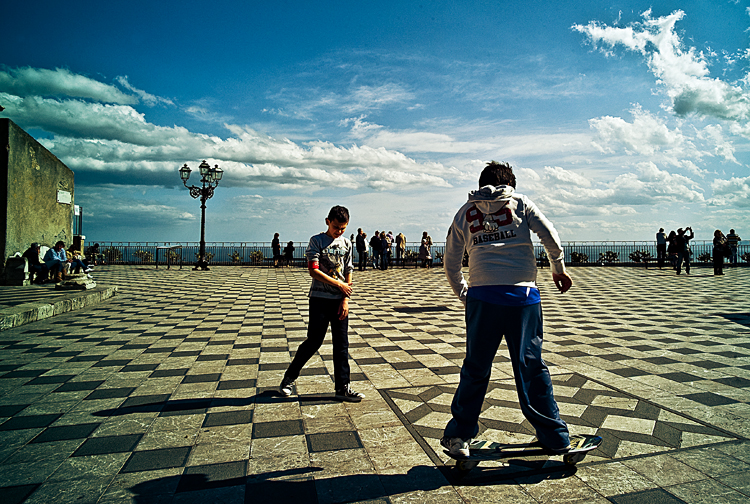
Taormina, el teatro griego.

Cuando después de haberlo visitado Goethe escribió que pocas cosas había más bellas en el mundo, lo dijo todo. No recuerdo ahora sus palabras exactas, pero sí que me produjeron una honda impresión cuando leí su “Viaje a Italia”, pues siempre había pensado que Taormina era un espantoso lugar turístico para americanos ricos. Tal vez ayude que no estamos ahora en el pico de la temporada turística.

Aparte del teatro, la población en sí es un lugar muy agradable, sorprendentemente. Una larga calle central encajonada en la cornisa de la montaña con callejones transversales hacia arriba y hacia abajo, según se vaya en una dirección u otra. Y tal vez ayude el buen gusto italiano a la hora de sembrar las calles con las inevitables tiendas de souvenires, pizzerías y trattorias.

 Taormina, the Greek theater.

After having visited it, Goethe wrote that he had seen very few things more beautiful in the world. It’s all I can say. I don’t remember his exact words, but I was moved by a most impressive emotion after reading his description in the “Travel to Italy”. I had always thought that Taormina was a horrible touristic trap for rich americans. It helps that now we are not at the season peak.

Apart from the theater, the village in itself is a pleasant place, to my surprise. A long central street which runs paralel to the corniche of the mountain, cut by transversal narrow alleys, uphill or downhill. And maybe the traditional Italian classy touch helps when considering the number of souvenir shops, pizzerias and trattorias.
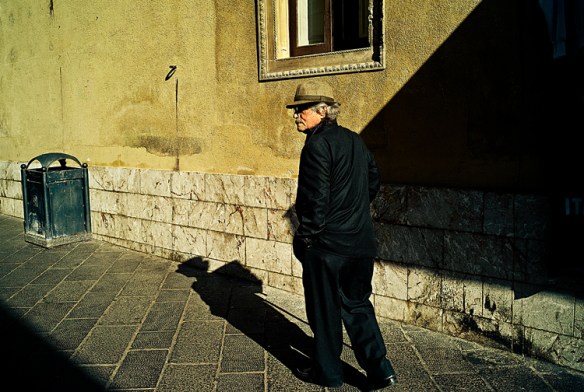
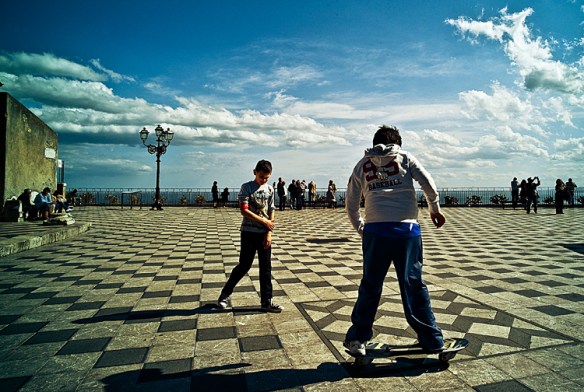
Siento no poner fotos del teatro griego, pero cualquier cosa palidecería al lado de la realidad!

I’m sorry not to post pictures of the Greek theater, but any photo would pale in comparison to the real thing!

Arrivederci Roma

Esta noche viajo en tren a Palermo, así que me despido de Roma después de dos semanas. El tiempo se ha ido rápido aquí, desearía poder viajar como aquellos viajeros del siglo XIX, con estancias de meses en cada sitio! Roma no me ha decepcionado después de tantos años. Esta ciudad tiene una cualidad especial, y es que no cambia nada. Esto, que sería un grave inconveniente en otra ciudad, aquí es una bendición

Tonight I take the sleeping train to Palermo, so I say goodbye to Rome after two weeks. Time is short, I would like to stay here the way travelers did two centuries ago! Rome hasn’t dissapointed me after so many years. This town has a very special quality, it doesn’t change a bit through the centuries. This would be a serious problem in any other town, but here is a blessing.

Trastevere 2

Dentro de Santa María in Trastévere.  Inside the basilic of Santa Maria in Trastevere.

Trastevere

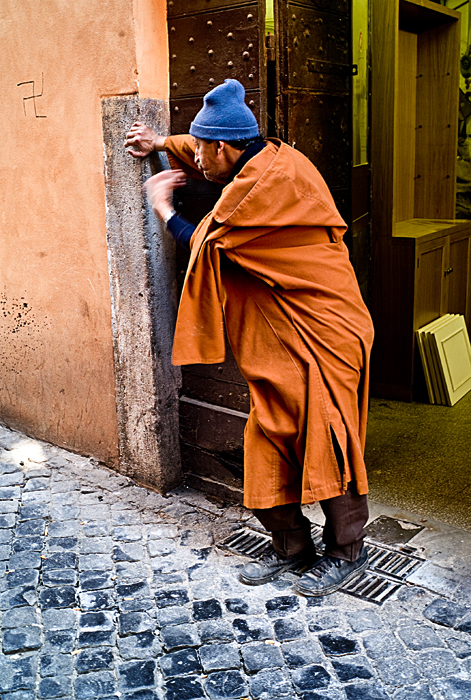
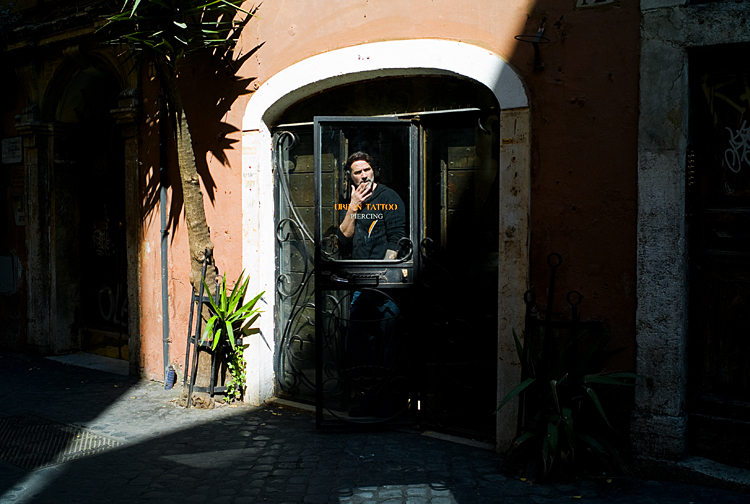
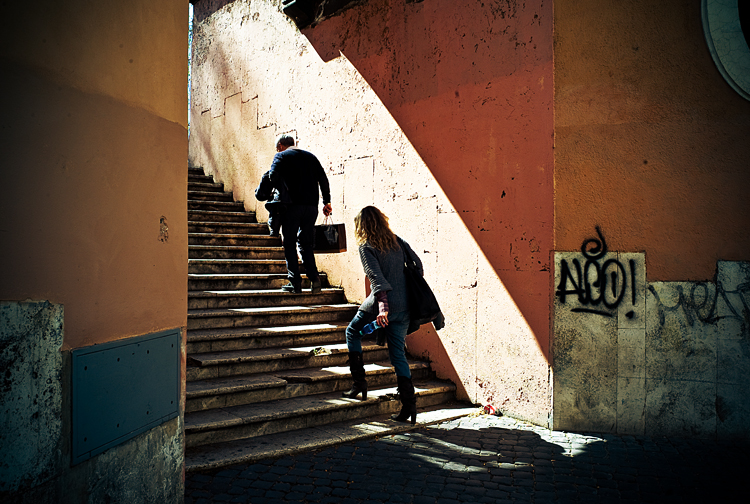
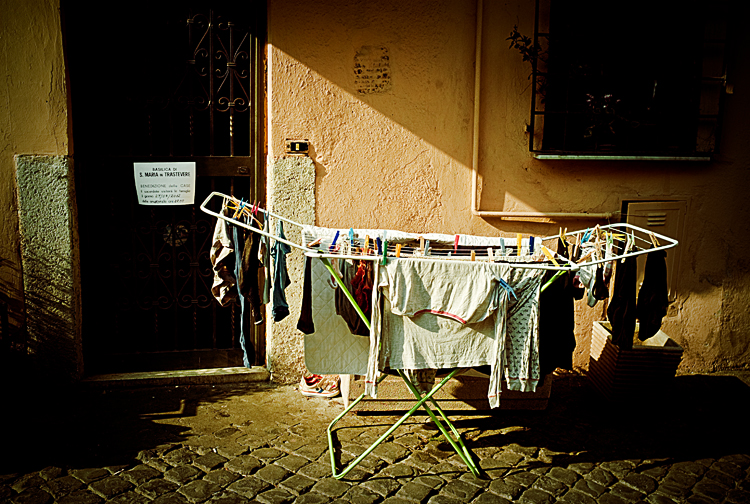
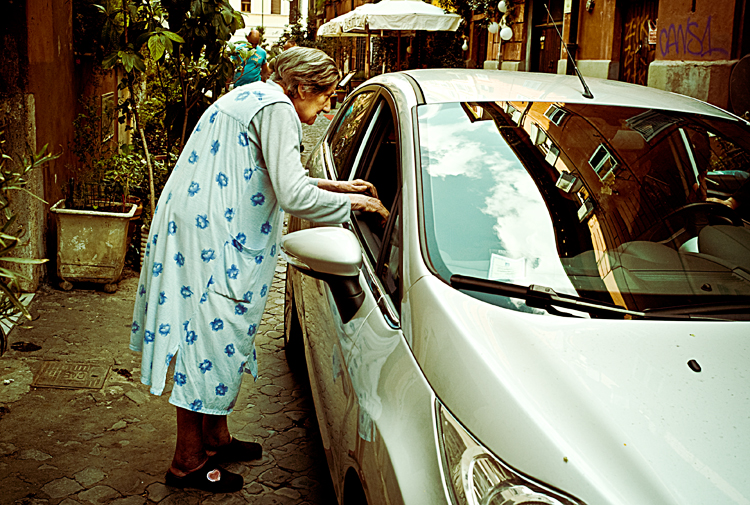
El barrio de Trastevere es el corazón popular de Roma. Viejo como la misma ciudad de Roma, sigue albergando los artesanos que le dieron esa impronta popular en la Edad Media. Calles estrechas, fachadas de casas antiquísimas con ese característico color arancione, empedrado de adoquín, lleno de tiendecitas, bares y tabernas, el alma de Trastevere late con fuerza. La gente nunca tiene prisa, saben vivir. Yo pasé casi cuatro años de mi vida joven allí, en piazza San Cosimato, ahora recorro las mismas calles que poco han cambiado.

The district of Trastevere is the popular heart of Rome. Old as the town, it still houses the craftsmen that gave the neighbourhood that popular character in the Medieval period. Narrow streets, very old buindings painted of that «arancione» colour, cobbled paving, full of small shops, bars and taverns, the soul of Trastevere beats strongly. People are never in a rush, they now the rules of good living. I spent almost four years of my youth there, in piazza San Cosimato, and now I stroll through the same streets that haven’t changed at all.