Night ghosts

La noche africana. La primera vez que viajé al Africa negra aterrizaba en Senegal procedente de Ginebra, donde vivía, para un rápido viaje de trabajo. Era de noche y todos dormíamos, recogimos obedientemente nuestras cosas y enfilamos el pasillo del avión, yo la primera. Abrieron la puerta y de repente una enorme bocanada de aire me envolvió, caliente, oscura, llena de olores intensos, prometedora de sensaciones sin fin, el olor de la noche africana. Nunca había sentido una cosa igual.

The African night. First time I travelled to Africa I landed in Senegal coming from Geneva, where I lived. It was a night flight and we slept, so we took our bags and lined up through the aisle, me the first one. The steward opened the door and suddenly a huge breath of air wrapped me, warm, dark, full of intense smells, promise of endless emotions, the scent of African night. I had never felt such a feeling.

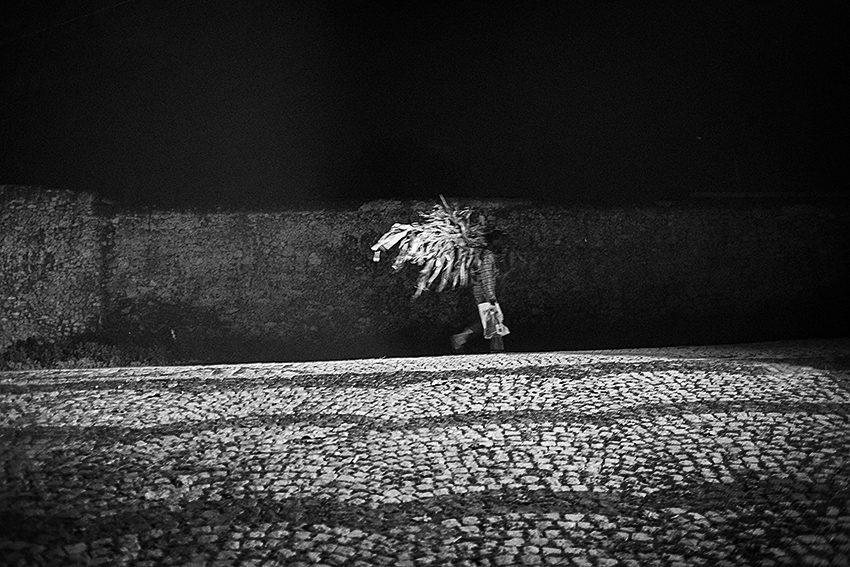
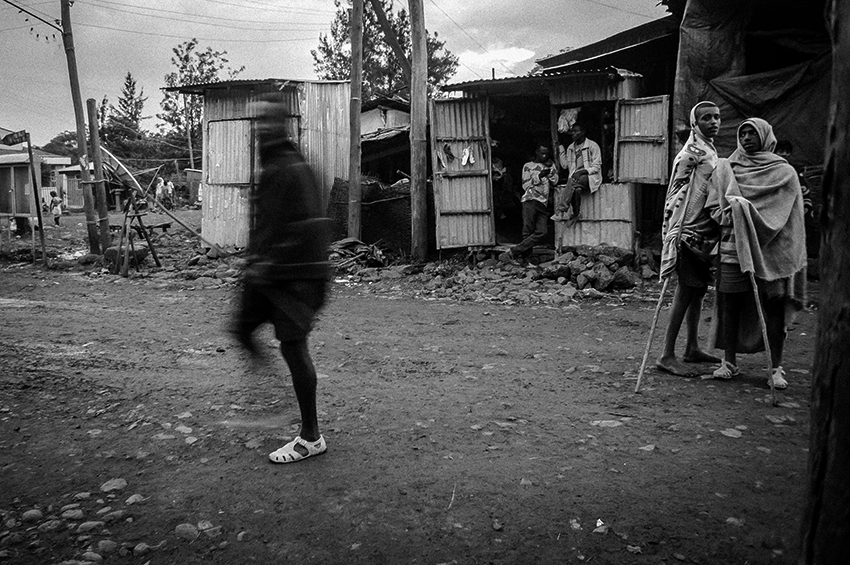
Fantasmas en la noche. Recuerdo como si fuera ayer mi segunda impresión de la noche africana. Había aterrizado en Nairobi procedente de Madrid cuando vi anunciado un vuelo a Entebbe, en Uganda, y siguiendo un impulso algo irracional cogí ese vuelo. El aeropuerto de Entebbe dista 40 km. de Kampala, la capital, así que no había más remedio que coger taxi. Era noche cerrada, y al poco de enfilar la carretera me percaté de unas sombras que se movían a ambos lados del camino. Rato después vi que las sombras se convertían en gente andando, muchas personas que surgían y se desvanecían en la oscuridad a medida que el taxi avanzaba. Esa visión fantasmagórica me impresionó hondamente. Después, en otros viajes a Africa, ya me acostumbré a la vista de gente que se desplaza andando al lado de las carreteras. Pero estas dos primeras sensaciones de la noche africana no me han abandonado jamás.

Ghosts in the night. I remember as if it were yesterday my second impression of the African night. I had landed in Nairobi coming from Madrid when I saw in the panels a flight to Entebbe, Uganda, and following a sudden boost I took that flight. Kampala is at a distance of 40 km. from Entebbe airport so I was forced to take a taxi. There was no moon, the night was pitch black and I begun to notice shadows moving along the road. After a while I saw that the shadows turned into walking people, lots of people emerging silently along both sides of the dark road, and that ghostly vision deeply impressed me. Afterwards, on other travels to Africa I got used to the vision of people moving along the roads. But I haven’t been abandoned by these first impressions of the African night.

To the English-speaking visitors of the blog, I apologize for my poor writing!

African markets

Dicen que la quintaesencia de un pueblo está en sus mercados, y es verdad. Los mercados africanos son pobres en mercancías pero riquísimos en todo lo demás: en sensaciones, olores, colores, en humanidad, ajetreo, multitudes, en «el alegre desorden de la vida africana», como dice Sergi Ramis en su maravilloso libro «Mercados africanos», publicado por Altair en 2002. Vale la pena comprar el libro aunque sólo fuera por la maravillosa introducción de Ramis, donde en dos páginas consigue ponernos ante los ojos todo ese maravilloso mundo.

They say that the soul of a nation lives in its markets. African markets are poor in merchandises but extremely riches in everything else – sensations, smells, colours, in people, hustle and bustle, in «the happy disorder of African live», as stated by Sergi Ramis in his wonderful book «Mercados Africanos», published in Barcelona by Altair Ed. in 2002. It is worth to buy the book not only by its photos but also by the marvellous Introduction, two pages in which Ramis displays the marvellous world of the African markets.

Estas fotos fueron tomadas en Etiopía en el mes de septiembre, en distintos mercados. Las dos primeras en Gondar, al norte del país. Gondar es una población agradable cuyo único mérito es tener un gran castillo de estilo medieval europeo. Ibamos nosotras un poco aburridas cuando nos topamos con un mercado semanal de cabras, pequeño y modesto, que se desplegaba en un par de calles. Los tratantes estaban tan sorprendidos de ver a dos mujeres blancas fotografiando cabras que ni siquiera reaccionaban.

These pictures were taken in Ethiopia during September, iin different markets. The first two in Gondar, north of the country. Gondar is a pleasant town which only attraction is a huge medioeval style castle. We were wandering with a point of boredom when we discovered a weekly goat market, tiny and modest, which displayed in a couple of streets. Traders were so stupefied in seeing two white women shooting the goats that they didn’t react.

Las dos últimas fotos son del mercado de carne de Harar, ciudad amurallada de mayoría islamista al este del país. Es ésta una ciudad muy alabada por el turismo occidental por ser «diferente» del resto de Etiopía. Efectivamente, es diferente en su concepción urbanística de abigarradas callejuelas y en que tiene muchas mezquitas, pero por lo demás no difiere mucho del resto del país.

The last two pictures were shot in the meat market of Harar, a walled town of islamic culture. This town has been highly praised by the western tourism because it’s «different» from the rest. Actually Harar is different in its urban conception of jumbled alleys and also because there are many mosques, but apart from that it is not so different from the rest of Ethiopia.

Kids II

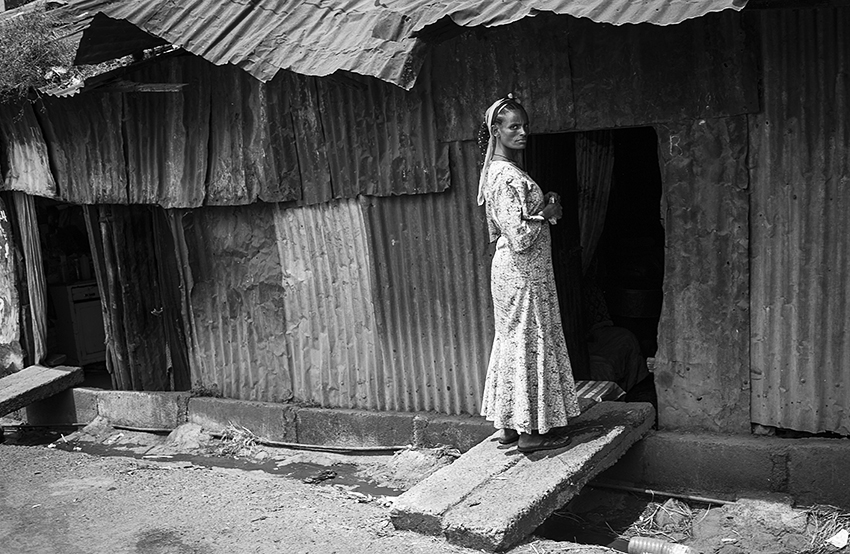
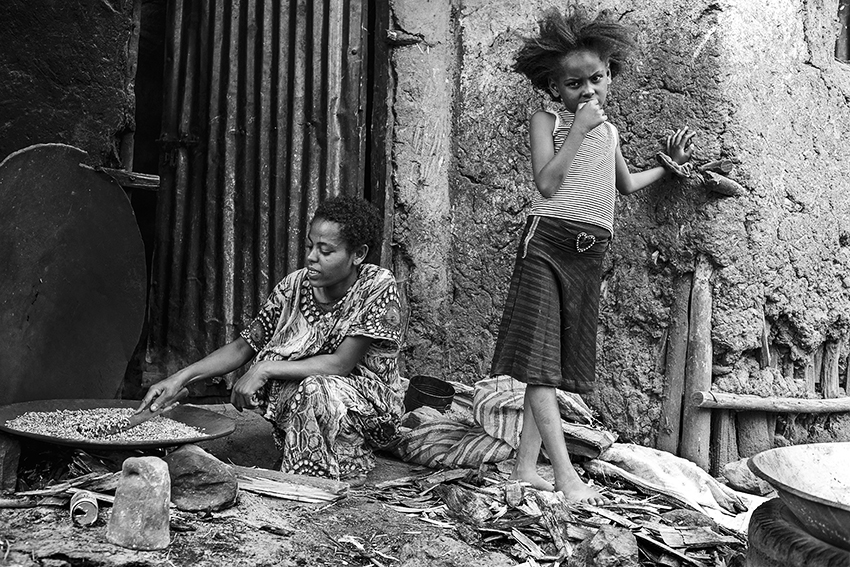
No todos los niños etíopes tienen la suerte, dentro de su desgracia, de estar bien alimentados, limpios, cuidados y con una educación como los niños “mingi” de Omo Child. La mayoría viven como la niña de la primera foto, tomada en Lalibella. Fueron muy amables conmigo, no solamente no pidieron dinero sino que me invitaron a pasar dentro de su casa.  Así que entré. No pude fotografiar el interior porque estaba casi completamente a oscuras, pero aun con luz no habría sido capaz. Literalmente se me encogió el corazón, tal era la miseria de la habitación.

Not all Ethiopian children have the luck of being well nurtured, clean, with shoes and an education as the “mingi” children are in the Omo Child Foundation. Most of them live like the girl of the first photo, shot in Lalibella. They were very nice to me, not only they didn’t ask for money but they invited me into their house. So I came in. I couldn’t shoot the interior because it was almost totally at dark, but even with light I couldn’t have been able to. Literally my heart sunk, such was the squalor of the only room.

African bars

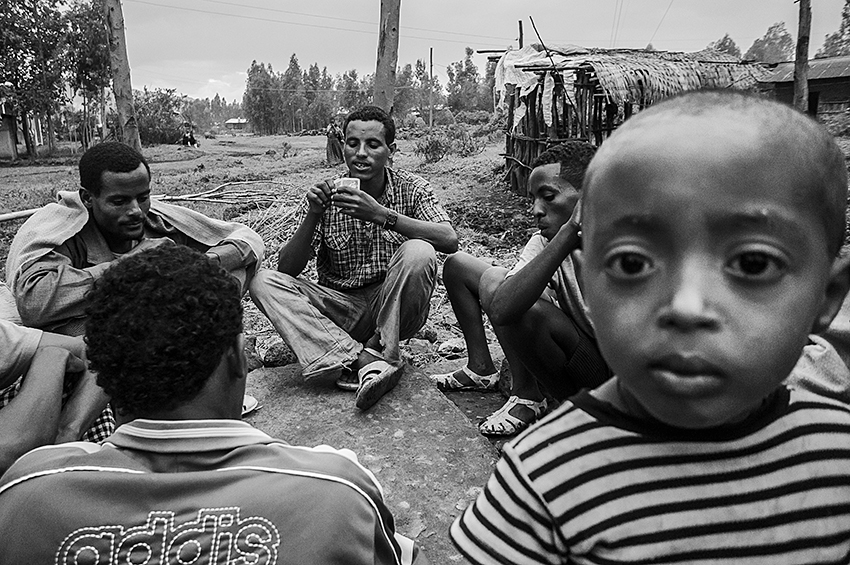
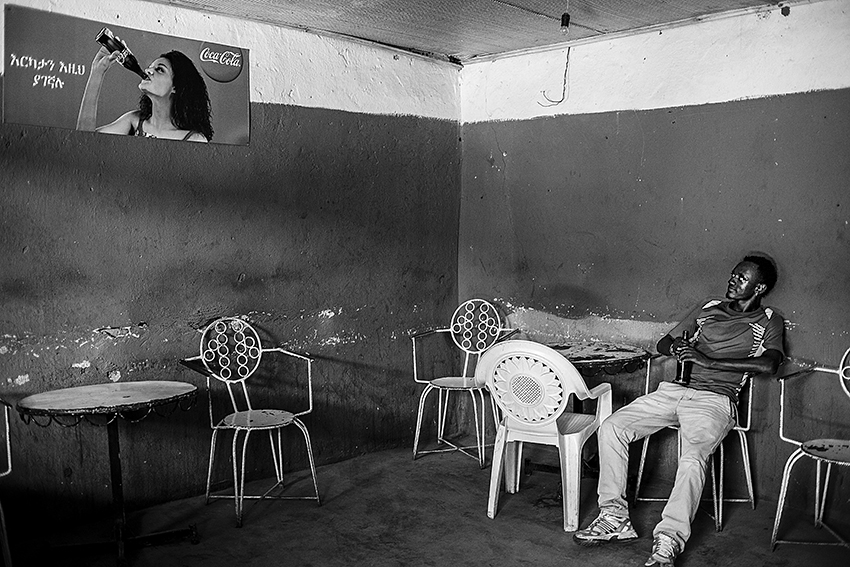
Los bares etíopes son como todos en Africa: sucios, poco surtidos, cerveza caliente, pero sobre todo destartalados, ni siquiera parecen bares. Los turistas no entran jamás en un auténtico bar africano salvo que esté occidentalizado, diseñado específicamente para atraer al turista, que también los hay en Addis, o que ofrezca comida y no haya otra cosa a mano.  Y es una pena porque precisamente en esos locales es donde puedes contactar con la gente del lugar sin que te pidan dinero.

Ethiopian bars are no exception to the rest of African countries – they are dirties, badly assorted, warm beer and above all, they are shabby, they don’t look like a bar. Tourists never go into a real African bar unlesss it looks like a westernize bar, specifically staged to attract the tourist, or if it serves food and there is anything else at hand. And this is a pitty because just in these places you can easily get in touch with locals that won’t ask you for money, maybe people are so astonished to see a tourist in such a place.

Pueden parecer tétricos a primera vista, en realidad lo son, pero cuando te sientas y pides algo sencillo como té resultan muy cómodos: nadie te molesta, puedes observar la vida a tu alrededor, entrar en contacto con la gente del pueblo, y además son increíblemente baratos pues no están acostumbrados a despellejar al turista en esos sitios. En un bar de Lalibella yo me tomé un té aromatizado buenísimo por 1 birr, el equivalente a 0,039 euros, ni siquiera 5 céntimos de euro, en animada conversación con un monje muy interesado en ver las fotografías que había hecho.

Bars can look gloomy at first sight, actually they are, but when you sit down and order something simple like a tea they turn out to be very comfortable. Nobody bothers you, you can watch the real life of a village, contact local people, and of top of that they are incredibly cheap because they are not used to cheat the tourist in those places. In a Lalibella bar I had an excellent aromatized tea for 1 birr, the equivalent of €0.039, not even 5 cents, while keeping a chat with a monk very interested in seeing the pictures I had shot.

Madrid Gay Pride

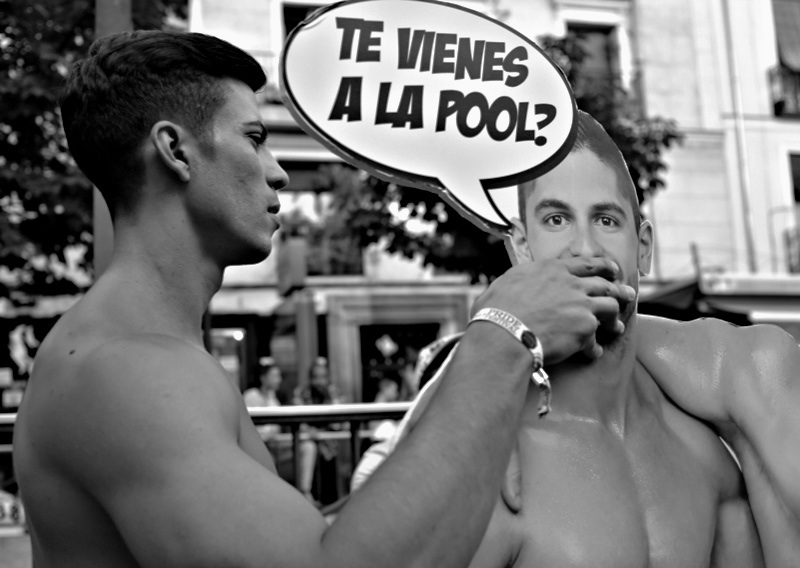
Esta semana el barrio de Chueca se convierte en foco de la celebración gay, el alcohol corre, la multitud suda y se divierte. Casi todos los años voy a fotografiar la famosa carrera de tacones, pero ayer no se celebró, no sé por qué, fue una decepción.

This week the neighbourhood of Chueca becomes the focus of the Gay Pride. Rivers of beer and spirits flow up, the crowd sweat and haber fun. Almost every year I shoot the famous Stiletto Race but yesterday it didn’t tale place, I ignore the reason, it was disappointing.