Dicen que la quintaesencia de un pueblo está en sus mercados, y es verdad. Los mercados africanos son pobres en mercancías pero riquísimos en todo lo demás: en sensaciones, olores, colores, en humanidad, ajetreo, multitudes, en «el alegre desorden de la vida africana», como dice Sergi Ramis en su maravilloso libro «Mercados africanos», publicado por Altair en 2002. Vale la pena comprar el libro aunque sólo fuera por la maravillosa introducción de Ramis, donde en dos páginas consigue ponernos ante los ojos todo ese maravilloso mundo.
They say that the soul of a nation lives in its markets. African markets are poor in merchandises but extremely riches in everything else – sensations, smells, colours, in people, hustle and bustle, in «the happy disorder of African live», as stated by Sergi Ramis in his wonderful book «Mercados Africanos», published in Barcelona by Altair Ed. in 2002. It is worth to buy the book not only by its photos but also by the marvellous Introduction, two pages in which Ramis displays the marvellous world of the African markets.

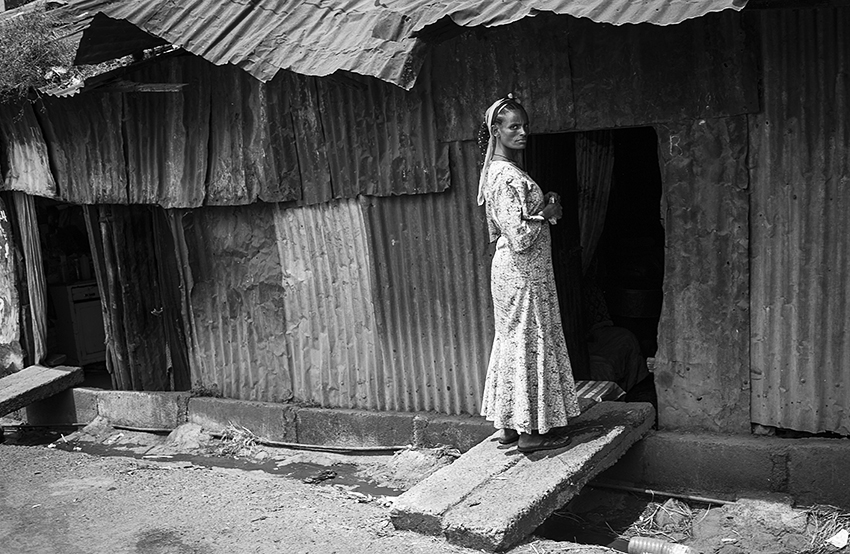

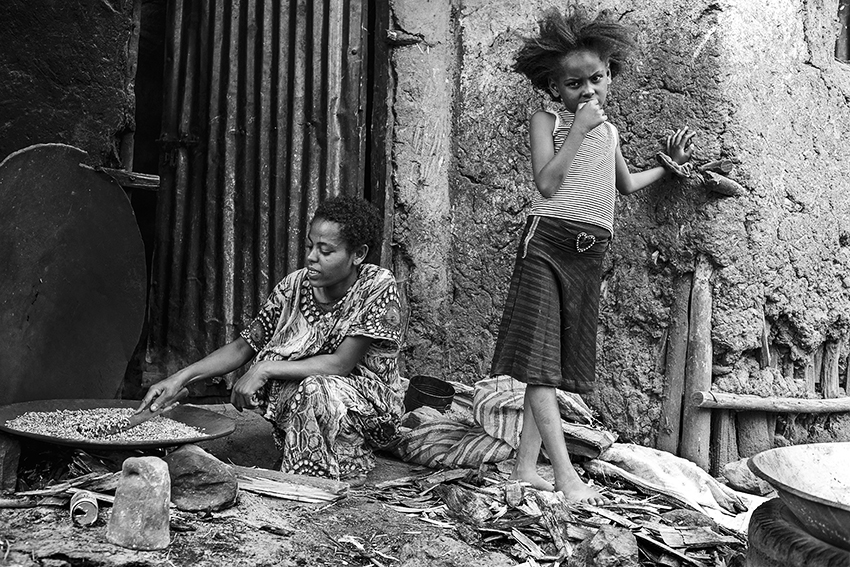
 Estas fotos fueron tomadas en Etiopía en el mes de septiembre, en distintos mercados. Las dos primeras en Gondar, al norte del país. Gondar es una población agradable cuyo único mérito es tener un gran castillo de estilo medieval europeo. Ibamos nosotras un poco aburridas cuando nos topamos con un mercado semanal de cabras, pequeño y modesto, que se desplegaba en un par de calles. Los tratantes estaban tan sorprendidos de ver a dos mujeres blancas fotografiando cabras que ni siquiera reaccionaban.
These pictures were taken in Ethiopia during September, iin different markets. The first two in Gondar, north of the country. Gondar is a pleasant town which only attraction is a huge medioeval style castle. We were wandering with a point of boredom when we discovered a weekly goat market, tiny and modest, which displayed in a couple of streets. Traders were so stupefied in seeing two white women shooting the goats that they didn’t react.
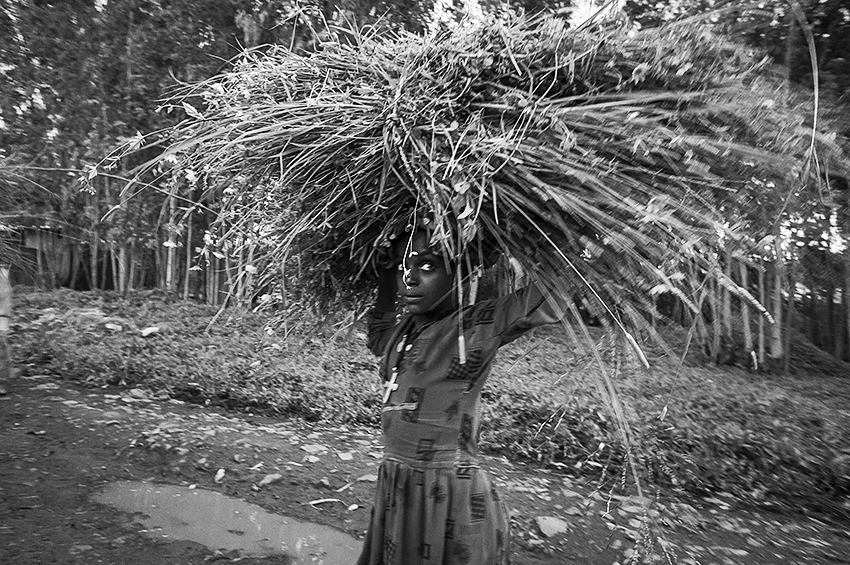
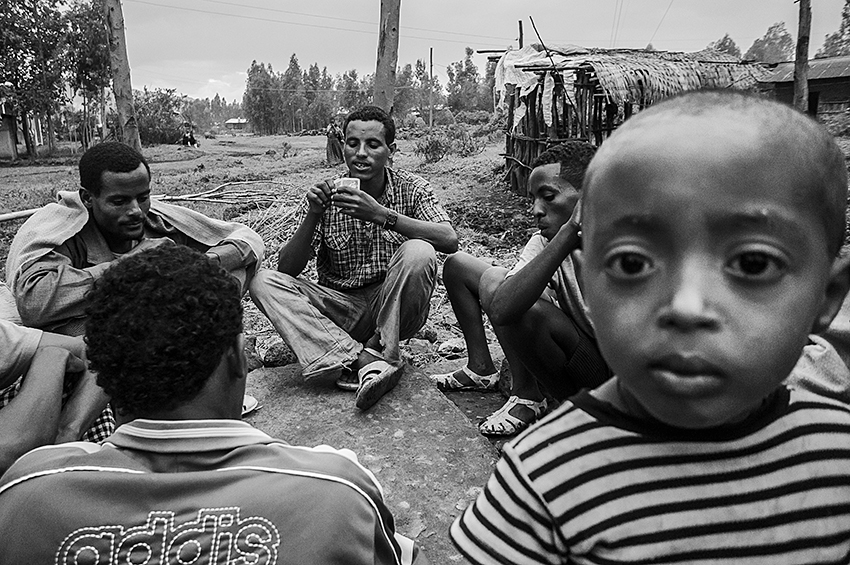
Las dos últimas fotos son del mercado de carne de Harar, ciudad amurallada de mayoría islamista al este del país. Es ésta una ciudad muy alabada por el turismo occidental por ser «diferente» del resto de Etiopía. Efectivamente, es diferente en su concepción urbanística de abigarradas callejuelas y en que tiene muchas mezquitas, pero por lo demás no difiere mucho del resto del país.
The last two pictures were shot in the meat market of Harar, a walled town of islamic culture. This town has been highly praised by the western tourism because it’s «different» from the rest. Actually Harar is different in its urban conception of jumbled alleys and also because there are many mosques, but apart from that it is not so different from the rest of Ethiopia.


 Luisa's Photos